AlreadyPrepared.com
Resources & Links Library





Emergency Preparedness & Planning
Crisis & Emergency Management - Safety & Security - Issues - Strategies - Solutions - Resources


Crisis Management Resources
Holiday, FLA Friday, 7.31.26
Crisis management resources are available from federal agencies, non-profits, and private companies to assist with business continuity, disaster relief, mental health, and communications.
For personal and mental health crises
988 Suicide & Crisis Lifeline: Provides 24/7, free, and confidential support to people in mental health-related distress. You can call or text 988 anytime.
Crisis Text Line: A free, confidential service that provides 24/7 text-based mental health support and crisis intervention. Text "HOME" to 741741 to connect with a trained crisis counselor.
Substance Abuse and Mental Health Services Administration (SAMHSA): Offers a national helpline for individuals and families facing mental and/or substance use disorders. It also runs a Disaster Distress Helpline for those experiencing emotional distress from natural or human-caused disasters.
The Trevor Project: Provides crisis intervention and suicide prevention services to LGBTQ+ youth. You can call, text, or chat with a counselor.
National Domestic Violence Hotline: Offers 24/7 confidential support via phone, text, or online chat for people experiencing domestic violence.
National Alliance on Mental Illness (NAMI): A grassroots organization with a helpline that offers support, information, and resources to people with mental health conditions and their caregivers.
211: A community resource number that can connect you to local mental health services, crisis support, and other essential services.
For government and public crises
FEMA (Federal Emergency Management Agency): Leads the nation's response to disasters by providing support to state and local governments.
Resources include preparedness guides, disaster assistance for individuals, and mobile apps for real-time weather alerts.
USA.gov: Serves as a portal to information on disaster assistance and government resources for emergency preparedness and recovery.
Department of Homeland Security (Ready Campaign): This initiative provides tips, information, and free resources on disaster preparedness and critical communications for the public.
U.S. General Services Administration (GSA): Provides federal agencies with supplies, equipment, and IT services to support disaster relief and emergency preparedness.
American Red Cross: Offers disaster relief services, including shelters, food, and family reunification. They also provide preparedness guides and resources for people with specific needs.
For business and organizational crises
Institute for Crisis Management (ICM): Offers services for identifying and training crisis teams and developing early warning systems for businesses.
Everbridge: Provides a Critical Event Management (CEM) platform that helps organizations coordinate response activities and communicate with stakeholders during a crisis.
Riskonnect: Offers crisis management software to help teams manage incidents, activate response plans, and securely communicate with leaders.
Cision: A communication platform with a crisis toolkit designed to help PR and marketing teams monitor media, detect crises early, and execute a response strategy.
CorporateTrainingMaterials.com: Sells crisis management training materials for companies to establish an effective crisis program and plan.
For non-profit organizations
The Bridgespan Group: Offers crisis management resources for non-profits, including guides on funding strategies and communication during uncertain times.
Nonprofit Risk Management Center: A resource that provides information and tools to help non-profits prepare for and manage potential emergency situations.
The TASC Group: A public relations agency that specializes in nonprofit crisis management and communications.
AccessNow: A digital security organization that provides cyber support through a 24/7 Digital Security Hotline.
Be part of the community
The Esri Emergency Management Forum was created to cultivate a strong community of emergency managers and GIS practitioners. Together we will learn from one another and create standards of excellence in emergency management.

Esri Emergency Management Forum Series
Multiple dates

Resilient Nation
Partnership Network
The Resilient Nation Partnership Network (RNPN) represents a network of voices united in their commitment to help communities act and
become more resilient
toward natural Disasters.


Self-reliance and how
to prepare for emergencies or disasters. Weather prepping, food prepping and storage, Keeping our families safe topics. Home security, wilderness survival, etc. Money saving stockpiling topics go in the stockpiling forum.

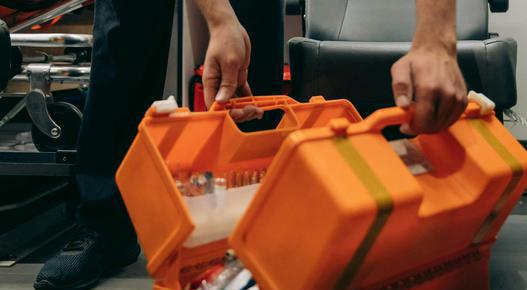

A broad, active community discussing various preparedness topics

Emergency Preparedness Planning Forums in the U.S. include the NNLM Disaster Preparedness Forum, the Forum on Medical and Public Health Preparedness, and the EPA’s Emergency Response Research Webinar Series. These, along with NEMA regional discussions and the ASFPM Planning Information Exchange, focus on sharing best practices, tools, and strategies for community, institutional, and regional resilience.
Key Free Emergency Preparedness Forums and Resources:
Disaster Preparedness Forum (NNLM): An annual, free virtual forum focusing on disaster planning, communication, and resilience.
Forum on Medical and Public Health Preparedness: A National Academies initiative convening leaders to improve national response to disasters and emerging threats.
EPA Emergency Response Research Webinars: Free webinars covering research on natural disasters and chemical, biological, or radiological incidents.
NEMA Forums: The National Emergency Management Association hosts national forums for professionals to discuss emergency management strategies.
Planning Information Exchange (PIE): Free webinars held by the Association of State Floodplain Managers (ASFPM) and the American Planning Association (APA) that focus on hazard mitigation planning.
Faith Community Emergency Response Forums: Workshops designed to facilitate collaboration between emergency responders and faith-based groups.
Topical Resources & Community Planning:
Ready.gov: Provides comprehensive guides for individuals to make emergency plans based on local threats.
AARP Create the Good: Offers resources for community-level emergency preparation and training.
National VOAD: Connects voluntary organizations to share knowledge on disaster preparation and recovery.
FBIIC Emergency Resources: Links to various federal resources, including OSHA and FEMA for disaster planning.
These forums are usually free, but some may require registration. They often provide expert insights into public health emergencies, severe weather, and community resilience, focusing on both institutional and personal preparedness.
Several organizations in the United States offer free emergency preparedness forums, training sessions, and planning workshops for individuals and communities. These range from national virtual events to localized in-person training.
National and Virtual Planning Forums
Ready.gov (FEMA): The primary federal resource for individual and family preparedness planning. It provides a low and no-cost tip page to help families prepare without significant expense.
Disaster Preparedness Forum 2025 (NNLM): A free virtual forum occurring in September that features expert speakers on data tools, disaster planning communication, and community resilience.
Resilient Nation Partnership Network (FEMA): Hosts partnership forums that bring together experts to discuss complex challenges and best practices for natural hazard resilience.
National Academies Forum: The Forum on Medical and Public Health Preparedness for Disasters and Emergencies convenes leaders to improve national readiness for public health emergencies.
Community Training and Workshops (April – June 2026)
These upcoming sessions focus on creating specific types of emergency plans:
Creating an Emergency Plan (Thurmont, MD): April 16, 2026, at 6:00 PM at the Thurmont Regional Library. This free class covers crucial supplies, rendezvous points, and communication methods.
Emergency Financial Preparedness (West Tisbury, MA): April 18, 2026, at 3:30 PM at the West Tisbury Library. Focuses on safeguarding personal and financial information before a disaster.
NYS Citizen Preparedness Corps (Great Neck, NY): April 21, 2026, at 7:00 PM at the Great Neck Library. This National Guard training teaches residents how to respond to and recover from extreme weather events.
Until Help Arrives Training (Arlington, VA): April 28, 2026, at 5:30 PM at Washington-Liberty High School. Teaches life-saving skills to use while waiting for first responders.
Building Community Flood Resilience (Newport News, VA): June 1, 2026, at 1:30 PM at the Main Street Library. Focuses on local flood conditions and insurance options.
Specialized Hazards and Resilience
Wildfire Preparedness Fairs: Multiple free events are scheduled in Hood River, OR (April 29) and Sunriver, OR (April 16) to help homeowners mitigate risk and create preparedness plans.
Severe Weather Awareness (Mitchell, SD): April 23, 2026, at 6:30 PM at Mitchell Tech. Free training to become a National Weather Service trained severe weather spotter.
Active Shooter Response (Weatherford, TX): April 27, 2026, at 6:00 PM at the Weatherford Police Department. Equips participants with strategies for rapid decision-making in high-stress situations

SIGN UP FOR OUR NEWSLETTER!
Subscribers to the AlreadyPrepared.com newsletter are a thriving community of readers eager to learn more about Survival & Preparedness solutions, strategies
and tactics and to find ways to reduce their own impact during an emergency
or disaster and to protect the safety
and security of their families and
loved ones during such an event.
Here are some of the great
information you’ll receive:
Survival & Preparedness Alerts,
Survival & Preparedness Tips,
Survival & Preparedness News Analysis, Insightful Opinions and Feedback.
Your privacy is important to us!
You can unsubscribe from the
newsletter any time and we will
never give away your email address.
We follow strict privacy safeguards.



OUR